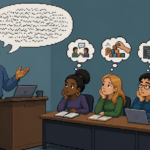
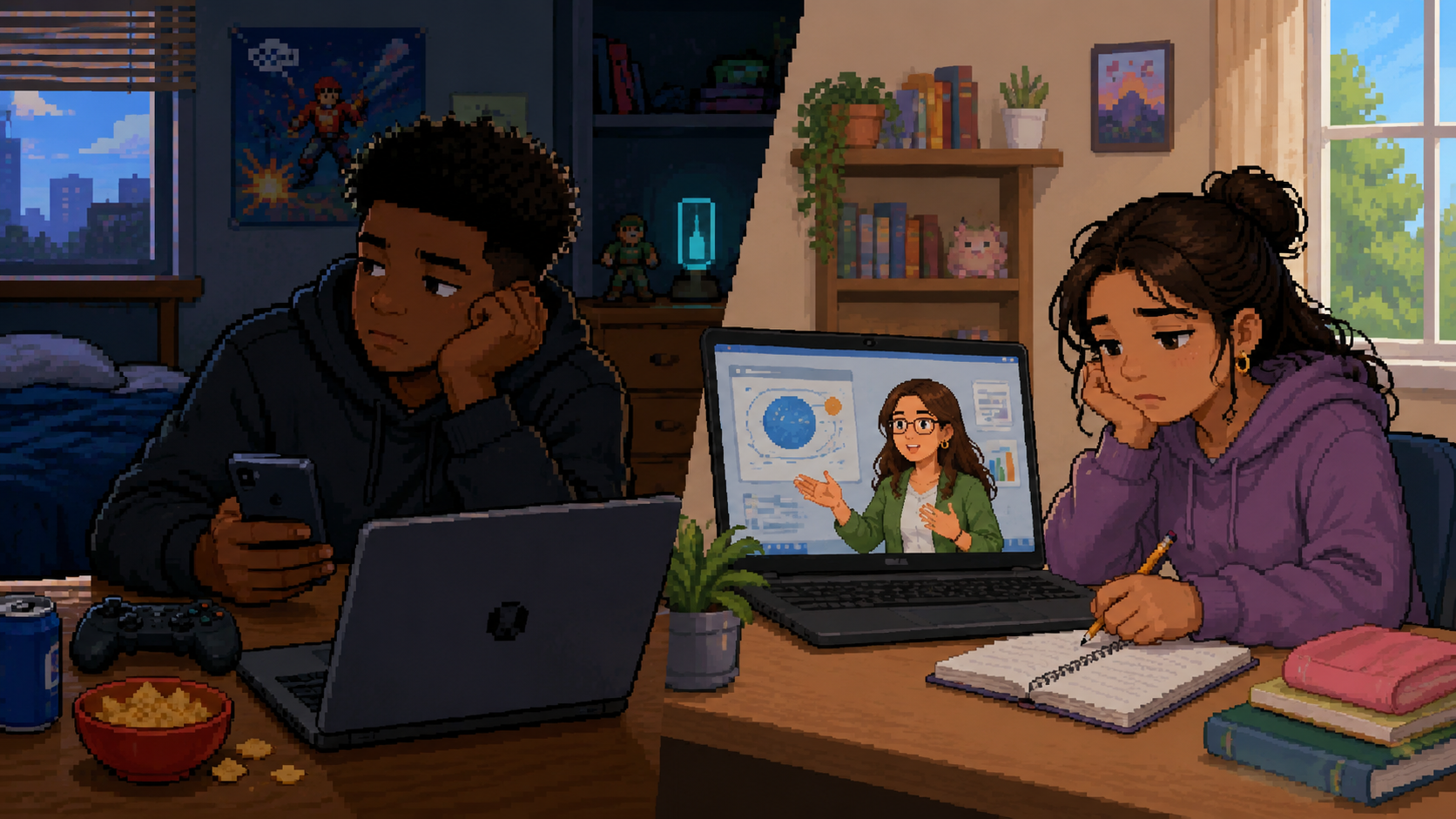

Here is something nobody in education wants to say out loud. The content is not always the problem. The teacher is not always the problem. The student is not always the problem. Sometimes the whole setup just does not work, and everyone in the room, or on the screen, can feel it but cannot name it. Online learning was supposed to fix everything. It was going to make education more accessible, more flexible, and honestly, more exciting. What it actually did, in a lot of cases, was create a beautifully designed environment for zoning out.
The Screen Is Not Neutral
Let us start with something people skip right over. A screen is not a neutral delivery tool. The same device students use to watch videos, scroll feeds, play games, and talk to friends is now supposed to flip into serious learning mode because a teacher said so. That is a big ask. The brain does not work like a light switch. It carries the context of everything it has done on that screen before, and the pull of other tabs, other apps, and other distractions is always one click away.
This is not about willpower. This is about how the brain processes competing stimuli. When a student sits in a physical classroom, the environmental cues tell their brain where they are and what they are supposed to be doing. When they sit at home in front of a laptop, those cues are gone. The bed is ten feet away. The snacks are in the kitchen. The phone is buzzing on the desk. Asking students to ignore all of that while watching a talking head on a screen is not a content problem. It is a design problem, and treating it like anything else leads to solutions that miss the point entirely.
Good Content Does Not Equal Good Delivery
Here is where instructors and course designers often miss the mark. They spend enormous time making sure the information is accurate, organized, and even creative, and that part matters. But good content delivered badly still lands badly. Think about the best meal you have ever had at a restaurant, then imagine it arrived cold, in a paper bag, with no utensils. Same food. Completely different experience.
Online lessons fail the same way. A teacher can have a genuinely interesting lesson plan and still lose every student in the first eight minutes because the delivery format is wrong. Reading slides aloud is not teaching. Talking at a camera for forty-five minutes without interaction is not teaching. It is broadcasting, and students know the difference even if they cannot articulate it. They do not tune out because they are bored with the subject. They tune out because nothing in the delivery asks them to stay present, and the brain, given no reason to engage, will find somewhere else to go.

The Participation Illusion
One of the sneakiest problems in online instruction is what you could call the participation illusion. A teacher asks a question. Five students respond in the chat. The teacher nods, says great point, and keeps moving. It looks like engagement. It feels like participation. But for the twenty-two other students who typed nothing and contributed nothing, the lesson just kept going without them, and most of them were probably on their phones by then.
Traditional classrooms have a natural social pressure that keeps students somewhat tethered. Eye contact, being called on, and the mild social anxiety of knowing someone might notice if you fall asleep all do quiet work that online environments strip away. Students become invisible, and invisible people do not feel obligated to show up mentally just because they showed up physically. The camera being on does not fix this. Mandatory participation rubrics do not fix this. The structure of the lesson itself has to create reasons for every student to stay in the game, not just the ones who were already motivated before the session started.
Pacing Is a Hidden Villain
Nobody talks enough about pacing in online learning, and it is costing students more than anyone realizes. Most online lessons are paced for the teacher’s comfort, not the learner’s comprehension. Information comes out at a steady clip, slides advance on schedule, and the lesson ends at the right time regardless of whether anyone actually understood what was covered. That is not a curriculum problem. That is an instructional delivery problem, and it is one that rarely gets named directly.
Human learning is not linear. People need time to process, connect new ideas to what they already know, and ask internal questions before they can move on. When lessons move too fast, learners start making a quiet decision: they either try to keep up and feel anxious, or they stop trying and go somewhere else in their head. Neither outcome is good. Slowing down is not dumbing down. It is basic instructional science, but it requires the instructor to care more about what students absorb than about finishing the slide deck on time. Those are two different goals, and only one of them actually serves the learner.
When the Technology Becomes the Obstacle
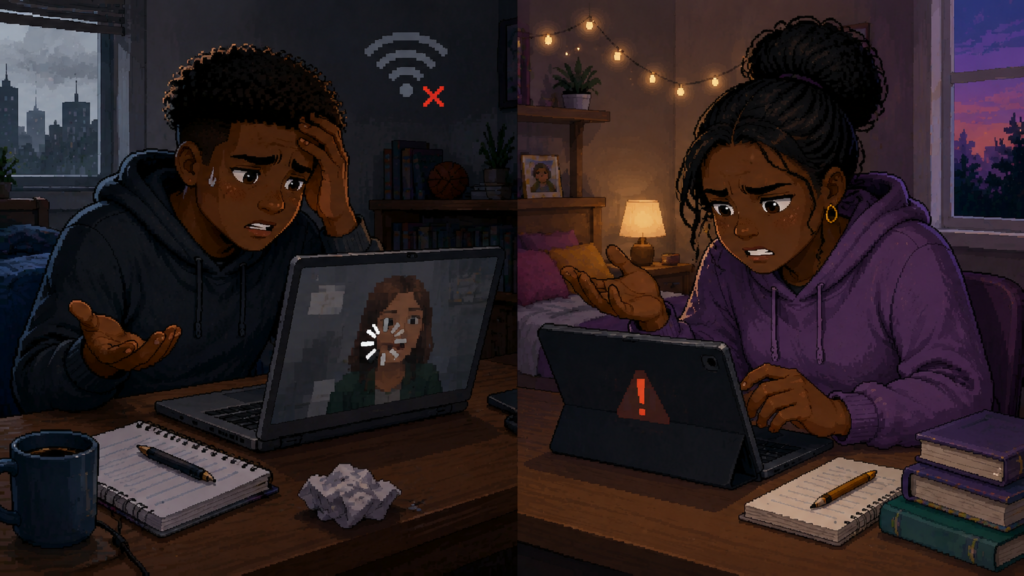
There is a cruel irony in online education. The tools designed to make learning easier often become the biggest source of friction. A student cannot get into the platform. The video will not load. The assignment submission button does not work on their browser. The audio keeps cutting out. By the time these problems get sorted, the learner has lost their mental momentum, their patience, and a meaningful chunk of the session.
This is not just about having bad tech. It is about the fact that when the technology fails, the learning stops. Physical classrooms are not perfect, but they have fewer single points of failure. Online learning stacks multiple dependencies on top of each other, and when one breaks, the whole experience can fall apart in ways that are hard to recover from mid-session. Instructors and designers often treat tech problems as the student’s problem to solve, and that attitude is part of why students tune out. When the system is unreliable, students stop trusting the system, and people do not invest energy in things they do not trust.
What Attention Actually Needs
Attention is not something you can demand. You can only earn it. That sounds simple, but it flies in the face of how most online instruction is built. Lessons are often designed around content coverage rather than learner attention, and the underlying assumption is that if you put good information in front of someone, they will absorb it. That is not how attention works, and it is not how memory works either.
Attention is sustained by novelty, relevance, and interaction. It needs variation in format and moments where the learner has to do something, decide something, or respond to something that requires actual thought. A forty-minute lecture video with no pauses, no checks for understanding, and no interaction is practically designed to lose people. The learner becomes a viewer, and viewers consume passively. Learners need to be active participants, and that requires deliberate structural choices from the first minute of a lesson to the last, not just good intentions at the design stage.
The Fix Is Not More Technology
The instinct when online learning fails is usually to throw more technology at it. Add a new platform. Try gamification. Build a fancier dashboard. More features, more tools, more options. But the problem was never a shortage of tools. The problem is that instructional delivery principles get ignored every time a shiny new platform shows up and promises to solve everything. Good instruction online looks a lot like good instruction in person. It is clear, paced for the learner, interactive, relevant, and respectful of how human attention actually works.
The instructors and designers who get this right are not using magic software. They are asking better questions at the design stage. They are asking at what point in this lesson a student’s attention will start to drift, and what happens at that moment to bring it back. They are asking whether an activity requires the learner to think or just to watch. They are asking whether a student who zones out for two minutes can re-enter the lesson without being completely lost. Those questions change the entire structure of what gets built, and that is where the real improvement lives.
This Is Worth Fixing
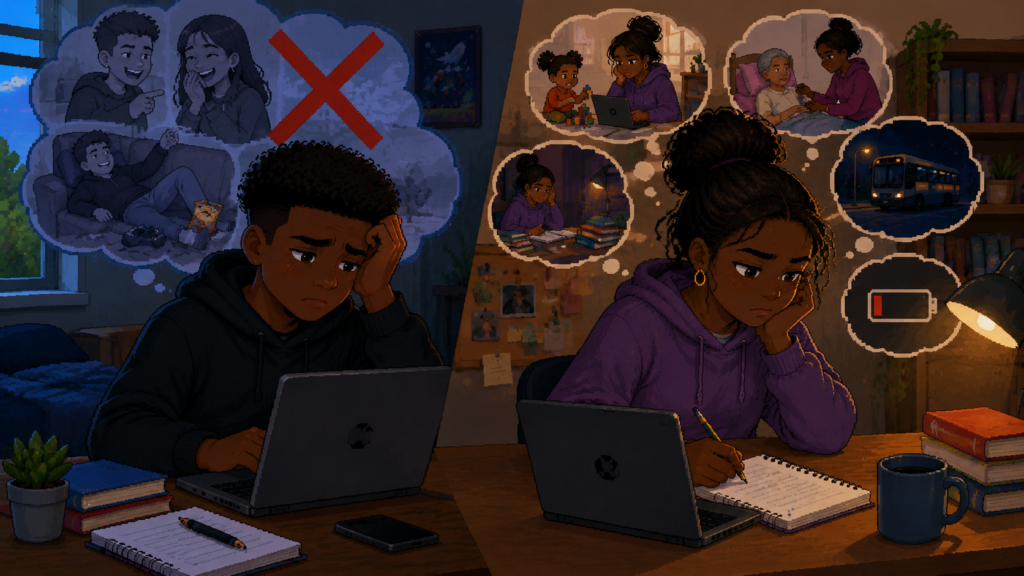
Students are not tuning out because they are lazy or because online learning is inherently broken. They are tuning out because the instruction was not designed with them in mind. That is a hard truth for a lot of educators to sit with, especially the ones who genuinely care and work hard every day. But caring about students and designing effective instruction for them are two different skills. One comes from the heart. The other comes from study, practice, and a willingness to examine what is actually happening in the room, even when the room is a screen.
The good news is that this is fixable. It does not require a complete overhaul of every online course in existence. It requires honest evaluation, a few smart structural changes, and a commitment to designing lessons that earn attention rather than expecting it. Students are not the obstacle. The delivery is.
Instructional design is not a subject that gets a lot of attention outside the field, but its impact shows up everywhere. Every learner who checks out during a lesson, every training program that produces no lasting change, and every online course with a high dropout rate is partly a design problem wearing a motivation costume. The good news is that design can be improved. It requires honest evaluation, a willingness to question what has always been done, and a genuine commitment to building instruction around the learner rather than around the content. That shift is not complicated. It is just less common than it should be.
Ronnie Canty | Canty’s Consulting & Instructional Delivery